What Is SEO? A Beginner’s Guide to Search Engine Optimization
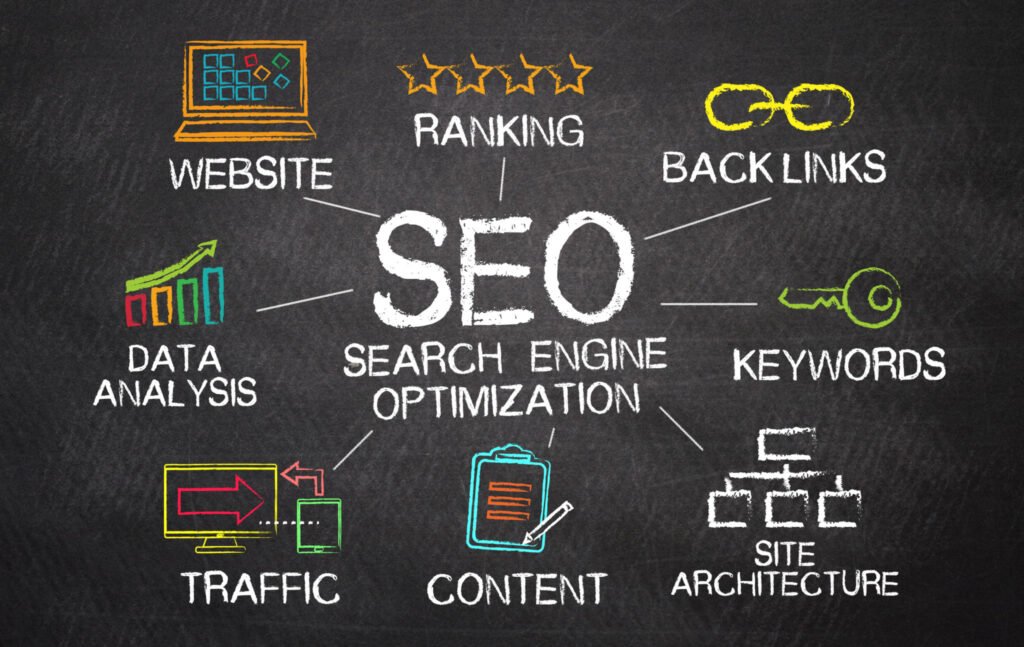
Have you ever wondered why some websites appear at the top of Google when you search for something, while others are buried on later pages?
The answer often comes down to SEO, or Search Engine Optimization.
SEO is one of the most important digital marketing strategies for businesses, bloggers, and website owners who want to attract more visitors online. But what exactly is SEO, how does it work, and why does it matter?
In this guide, we’ll explain everything you need to know about SEO in simple terms.
What Is SEO?
SEO (Search Engine Optimization) is the process of improving a website and its content so that it can appear more prominently in search engine results.
Search engines such as Google use complex algorithms to determine which pages are most useful and relevant for a particular search query. SEO helps search engines understand your website while also making your content more useful to visitors.
For example, if you own a bakery and publish an article about “the best chocolate cake recipes,” you can use SEO techniques to help that page appear when people search for chocolate cake recipes.
The goal of SEO is to attract relevant organic traffic, meaning visitors who find your website through unpaid search results.
Why Is SEO Important?
Most online experiences begin with a search. People use search engines to find products, services, answers, businesses, and information.
If your website doesn’t appear prominently in search results, potential customers may never discover it.
Here are some major benefits of SEO:
1. Increases Website Traffic
Higher visibility in search results can bring more visitors to your website. Unlike paid advertising, organic traffic can continue coming to your website without paying for every click.
2. Builds Brand Visibility
Appearing consistently in search results helps people become familiar with your brand. Over time, strong search visibility can improve brand awareness and recognition.
3. Generates Potential Customers
SEO can bring people to your website who are already searching for something related to your products or services. This makes organic search a valuable source of potential leads and customers.
4. Improves User Experience
Good SEO isn’t just about search engines. Many SEO practices also make websites faster, easier to navigate, mobile-friendly, and more useful for visitors.
5. Provides Long-Term Value
Paid advertising can stop generating traffic when you stop paying. Well-optimized content, on the other hand, can continue attracting organic visitors for months or even years.
How Does SEO Work?
Search engines generally follow three important processes:
Crawling: Search engines discover pages on the internet using automated programs called crawlers or bots.
Indexing: The search engine analyzes and stores information about the pages it discovers.
Ranking: When someone performs a search, the search engine determines which indexed pages are most relevant and useful and displays them in an order it considers appropriate.
SEO helps improve the chances that your pages will be understood, discovered, and considered relevant for appropriate searches.
The Main Types of SEO
SEO can be divided into several major areas.
1. On-Page SEO
On-page SEO focuses on elements you can optimize directly on your website.
Common on-page SEO activities include:
- Using relevant keywords naturally
- Writing helpful and original content
- Optimizing title tags and meta descriptions
- Using descriptive headings
- Creating SEO-friendly URLs
- Adding descriptive image alt text
- Improving internal linking
- Making content easy to read
The primary goal is to create pages that clearly satisfy the user’s search intent.
2. Technical SEO
Technical SEO focuses on the technical aspects of a website that help search engines crawl and understand it effectively.
It can include:
- Improving website speed
- Ensuring mobile usability
- Fixing broken links
- Creating an XML sitemap
- Using HTTPS
- Improving website architecture
- Managing duplicate content
- Making important pages accessible to search engines
A technically sound website gives both search engines and users a better experience.
3. Off-Page SEO
Off-page SEO refers to activities outside your website that can influence its authority, reputation, and visibility.
One of the best-known examples is link building — earning relevant backlinks from other reputable websites.
Other off-page activities can include digital PR, brand mentions, and building relationships within your industry.
The focus should be on earning genuine recognition rather than manipulating search rankings.
4. Local SEO
Local SEO helps businesses become more visible for searches related to a specific location.
For example, someone might search for:
“Best coffee shop near me”
or
“Digital marketing agency in Pune”
Local SEO can involve optimizing your business information, managing your online presence, collecting genuine customer reviews, and creating location-relevant content.
What Are Keywords in SEO?
Keywords are words or phrases that people type into search engines.
For example, someone interested in learning SEO might search for:
- What is SEO?
- SEO for beginners
- How does SEO work?
- Best SEO strategies
- SEO tips for websites
Keyword research helps you understand what your target audience is searching for so you can create content that addresses their needs.
However, modern SEO isn’t simply about repeating a keyword as many times as possible. Search engines increasingly focus on whether content is helpful, relevant, trustworthy, and satisfying to the user’s intent.
What Is Organic Traffic?
Organic traffic refers to visitors who reach your website through unpaid search engine results.
For example, if someone searches for “how to start a blog” and clicks your website in the unpaid results, that visit is organic traffic.
Organic traffic is valuable because it can attract people who are actively looking for information, products, or services related to your website.
SEO vs. Paid Advertising
SEO and paid search advertising can both help businesses gain visibility, but they work differently.
With SEO, you optimize your website to earn organic visibility.
With paid search advertising, you pay for advertisements that can appear in search results.
SEO may take time to produce significant results, but successful organic rankings can provide ongoing traffic. Paid advertising can produce visibility more quickly, but it generally requires continuous spending.
Many businesses use both strategies as part of a broader digital marketing plan.
Common SEO Mistakes to Avoid
If you’re starting with SEO, avoid these common mistakes:
Keyword Stuffing
Don’t fill your content with the same keyword repeatedly just to influence rankings. Write naturally for your audience.
Creating Low-Quality Content
Publishing large amounts of shallow or unhelpful content is unlikely to create lasting value. Focus on answering real questions and solving real problems.
Ignoring Mobile Users
A large portion of internet traffic comes from mobile devices. Make sure your website works well on phones and tablets.
Buying Questionable Backlinks
Low-quality or manipulative link-building practices can put your website at risk. Focus on earning relevant, trustworthy links.
Expecting Instant Results
SEO usually requires patience. Rankings can take time to improve, especially for competitive topics.
How to Get Started With SEO
If you’re completely new to SEO, start with the basics:
- Understand your audience — Know who you’re trying to reach.
- Research relevant topics and search queries — Find out what your audience wants to know.
- Create useful content — Answer questions clearly and comprehensively.
- Optimize your pages — Improve titles, headings, URLs, images, and internal links.
- Improve technical SEO — Make your website fast, accessible, secure, and mobile-friendly.
- Build credibility — Earn relevant mentions and backlinks naturally.
- Monitor performance — Use analytics and search performance tools to understand what is working.
- Keep improving — SEO is an ongoing process, not a one-time task.
Final Thoughts
SEO is the practice of making your website easier for search engines to understand and more useful for people who visit it.
It involves much more than adding keywords to a webpage. Successful SEO combines high-quality content, good user experience, technical optimization, search intent, and website credibility.
Whether you’re running a small business, managing an online store, writing a blog, or building a personal website, learning SEO can help more people discover your content online.
The most important principle to remember is simple:
Create useful content for people first, and optimize it so search engines can understand and discover it.
That approach provides a strong foundation for sustainable SEO.